Of the 84 projects submitted to the competition, 20 reached the final, and 7 winners were selected.
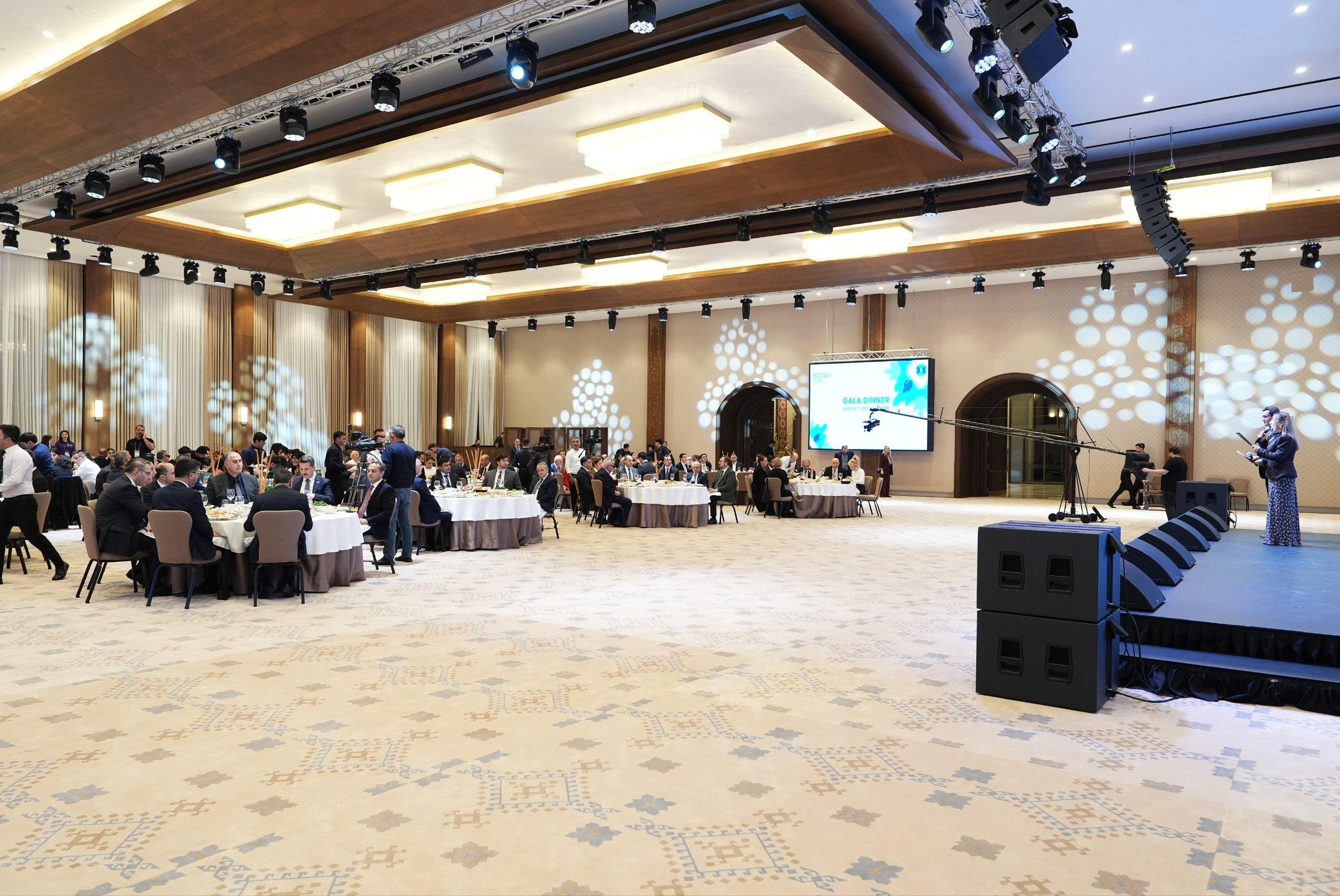
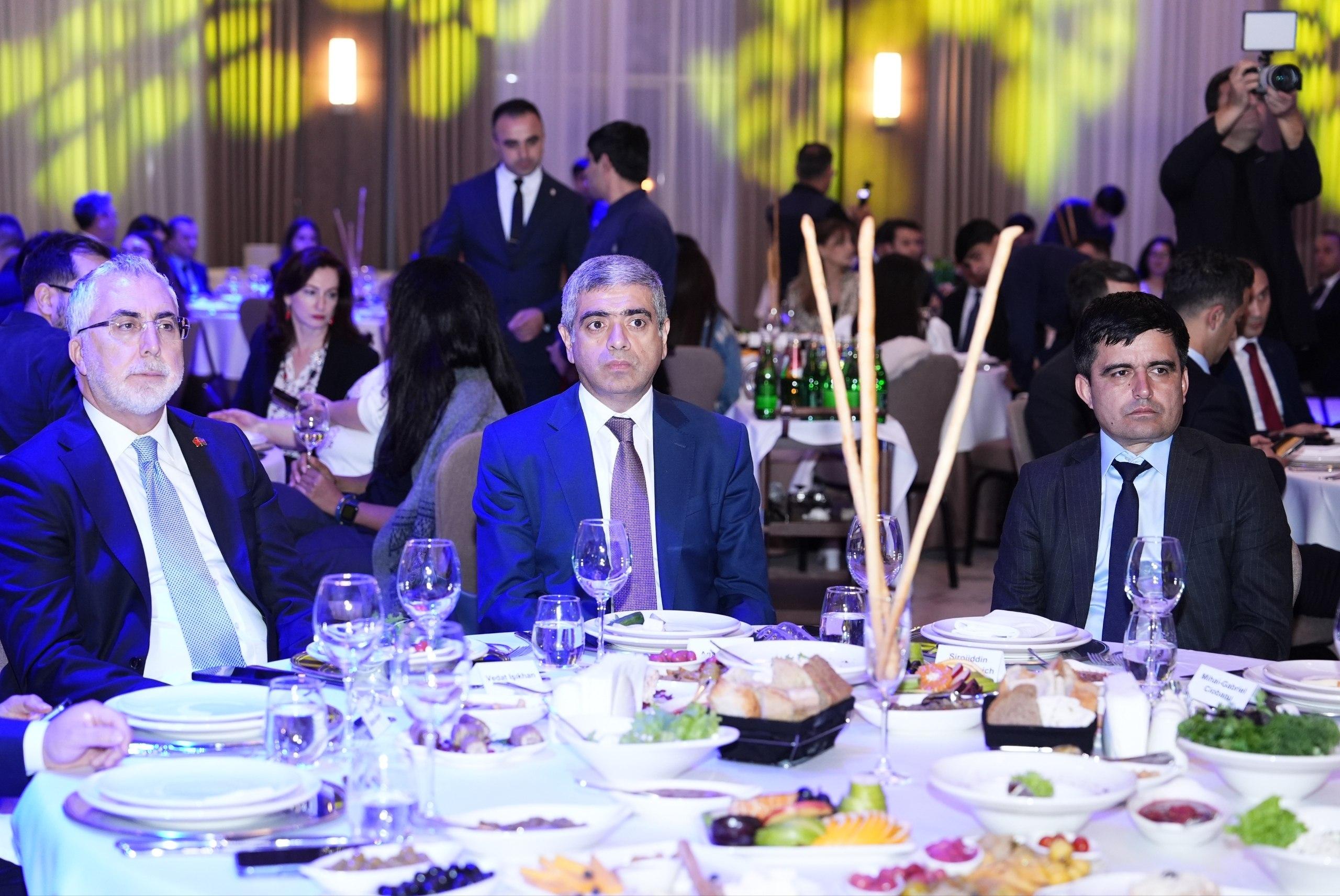
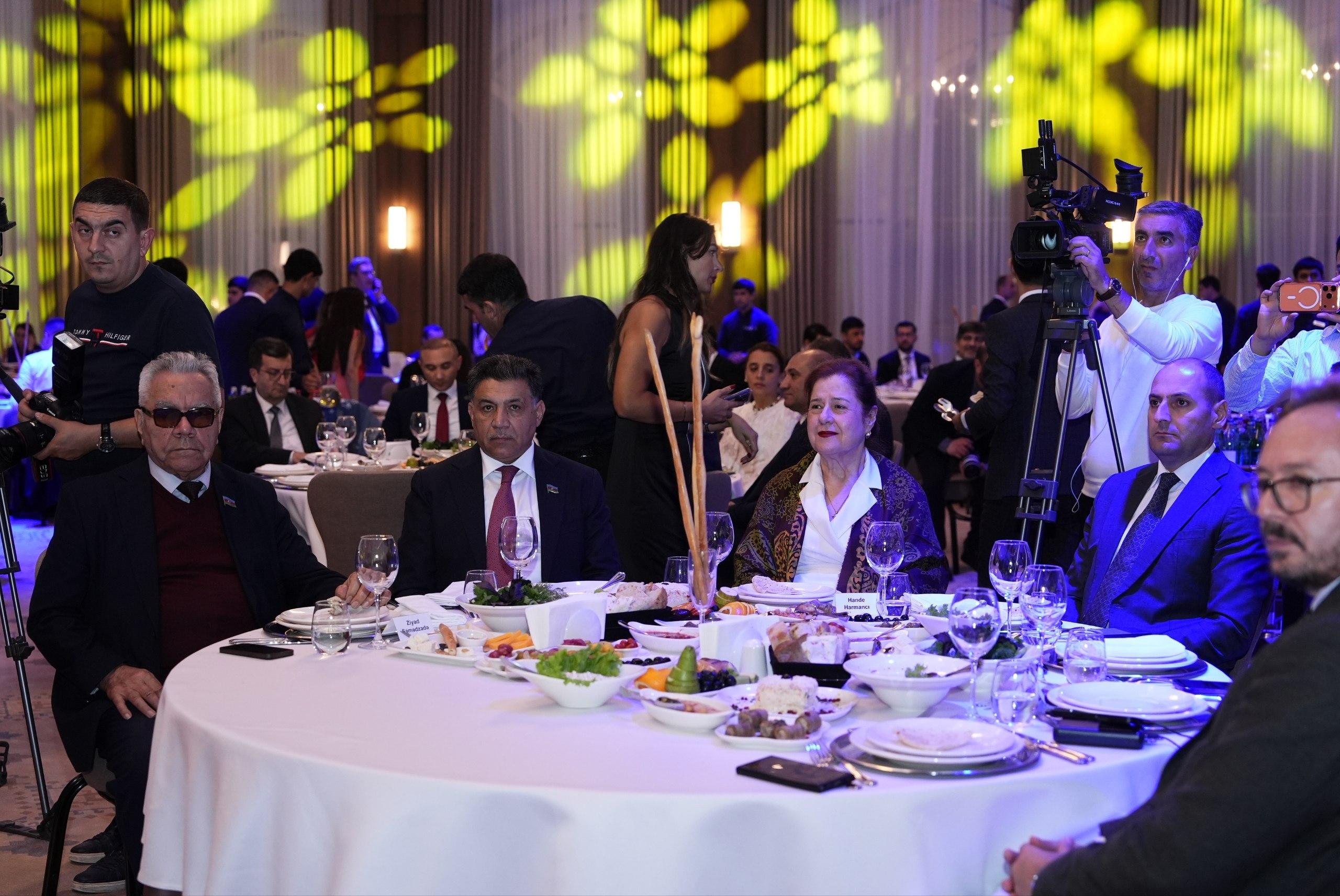
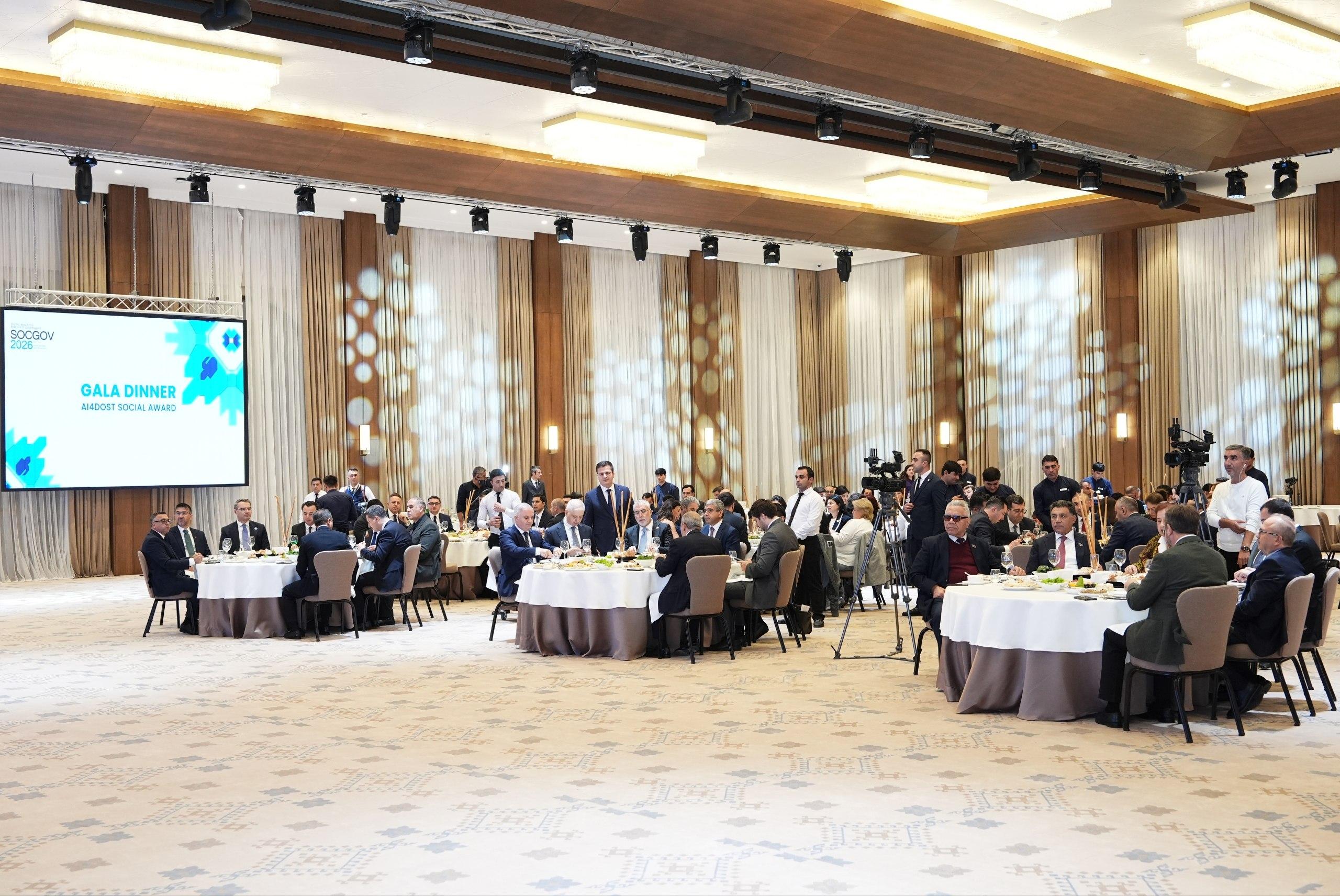
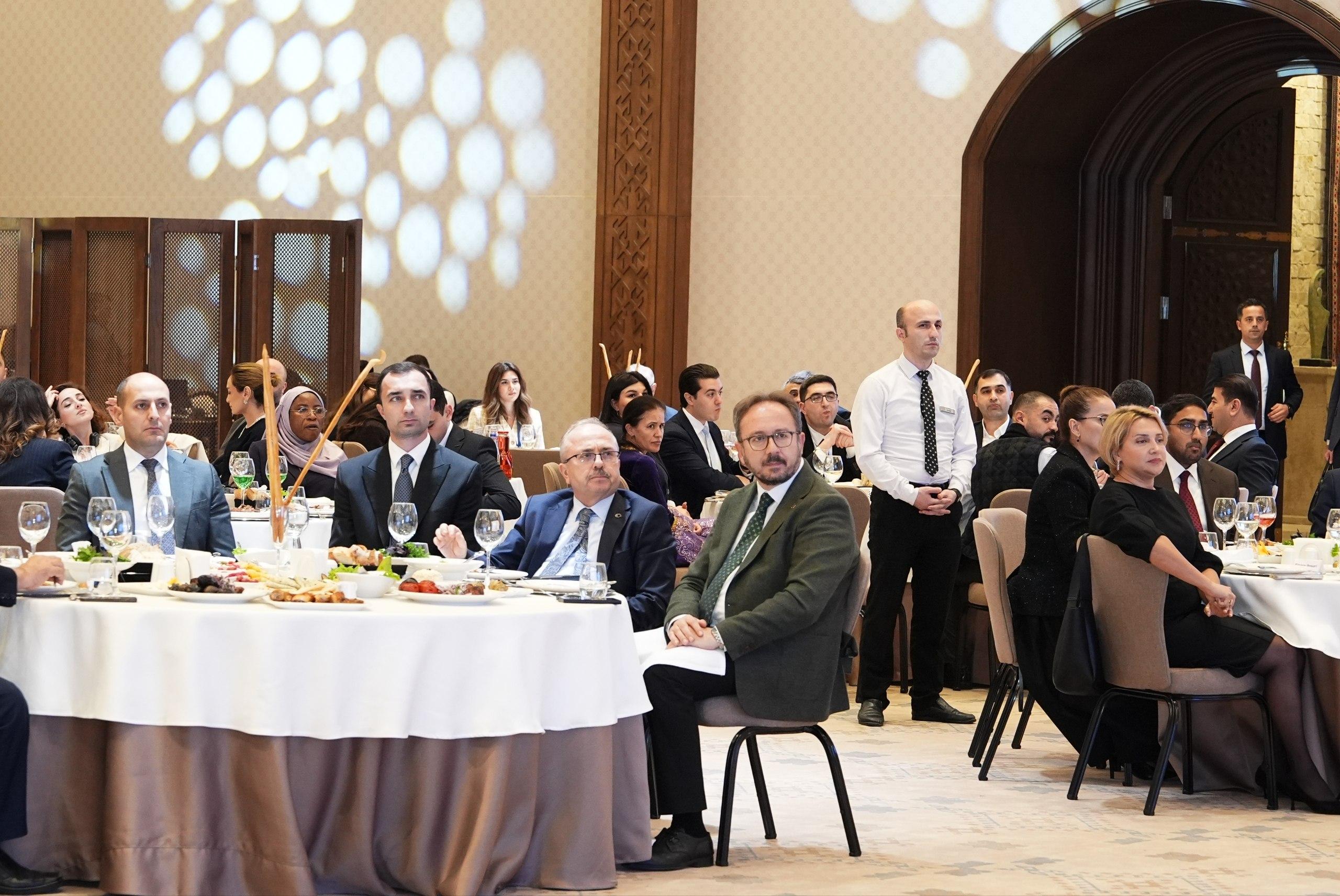
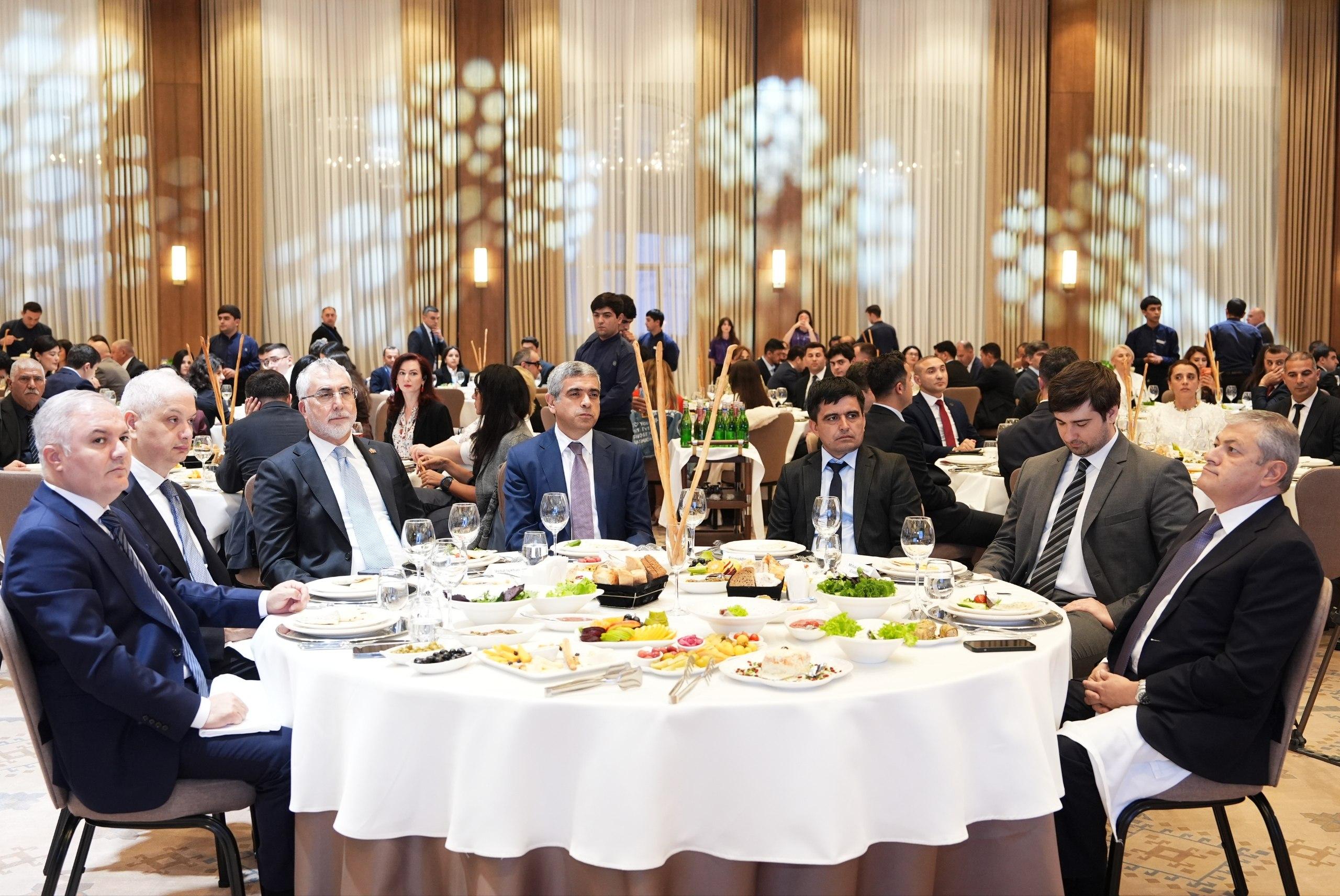
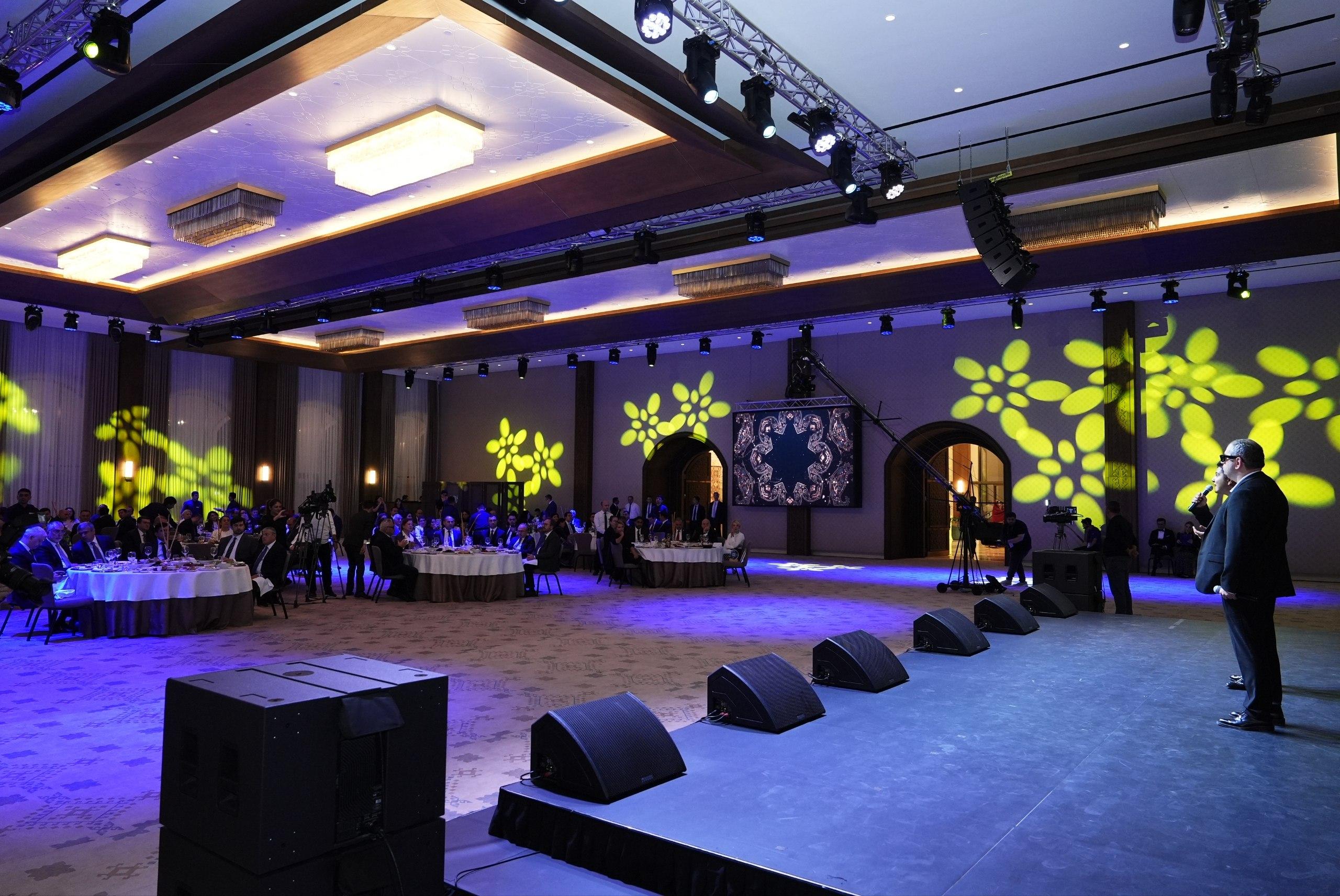
An award ceremony for the winners of the “AI4DOST Social Award 2026” competition was held within the framework of the international forum entitled “SOCGOV 2026 – Digital Analytics for Smart Governance”, held in the city of Khankendi.
First, a networking event and masterclasses on national heritage were organised to provide guests with an interactive cultural and innovative experience. A visual introduction reflecting the extensive restoration and reconstruction process underway in Karabakh, including Khankendi, was also presented.
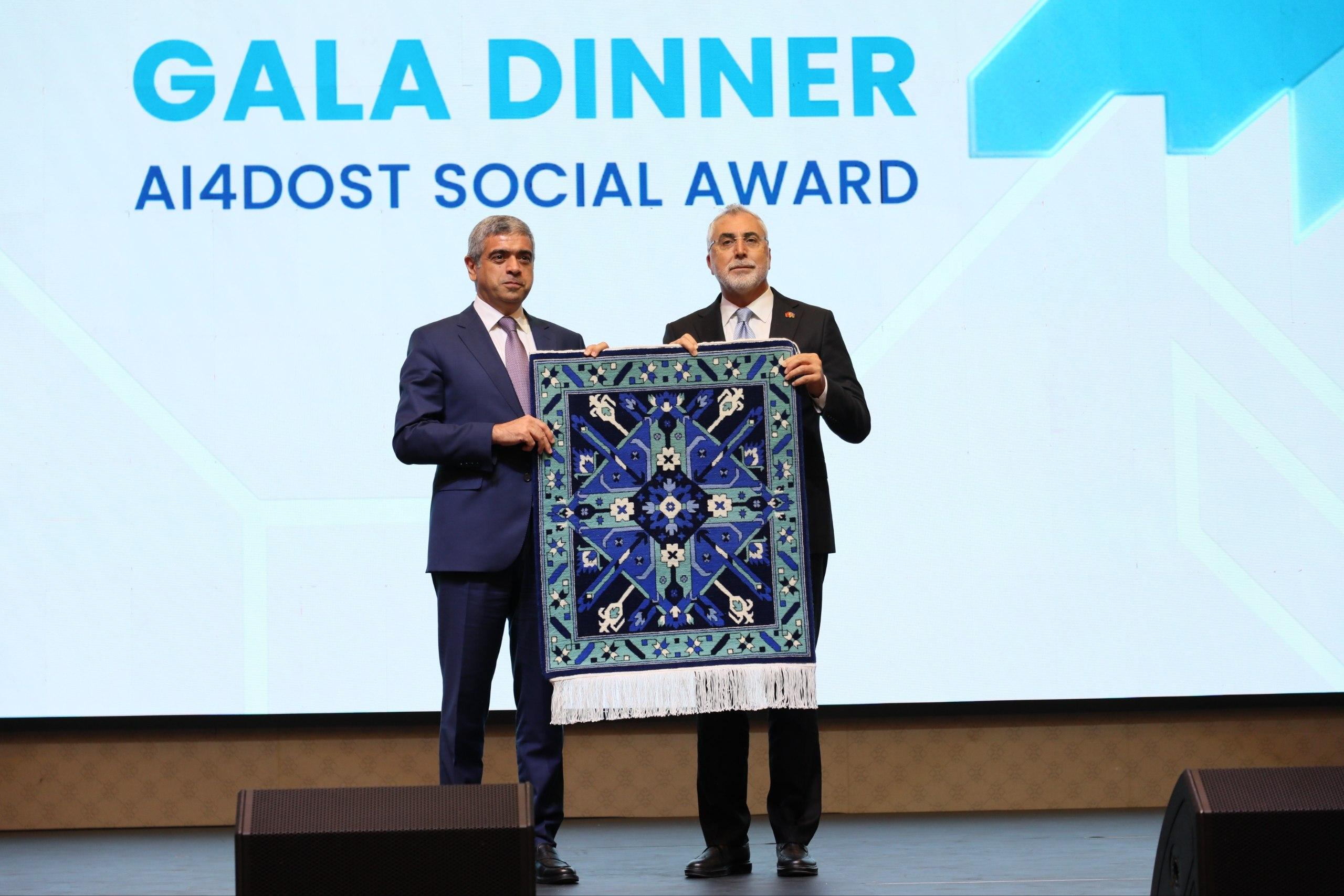
At the opening of the event, Anar Aliyev, Minister of Labour and Social Protection of Population, presented a symbolic carpet created by SAİDA (Social Artificial Intelligence of DOST Agency) to Vedat Işıkhan, Minister of Labour and Social Security of Türkiye.
The jury of the “AI4DOST Social Award 2026” competition, comprising international and local experts, was invited onto the stage. Certificates of Appreciation were presented to the jury members in recognition of their support in ensuring the objective evaluation of the submitted projects and the selection of finalists and winners.
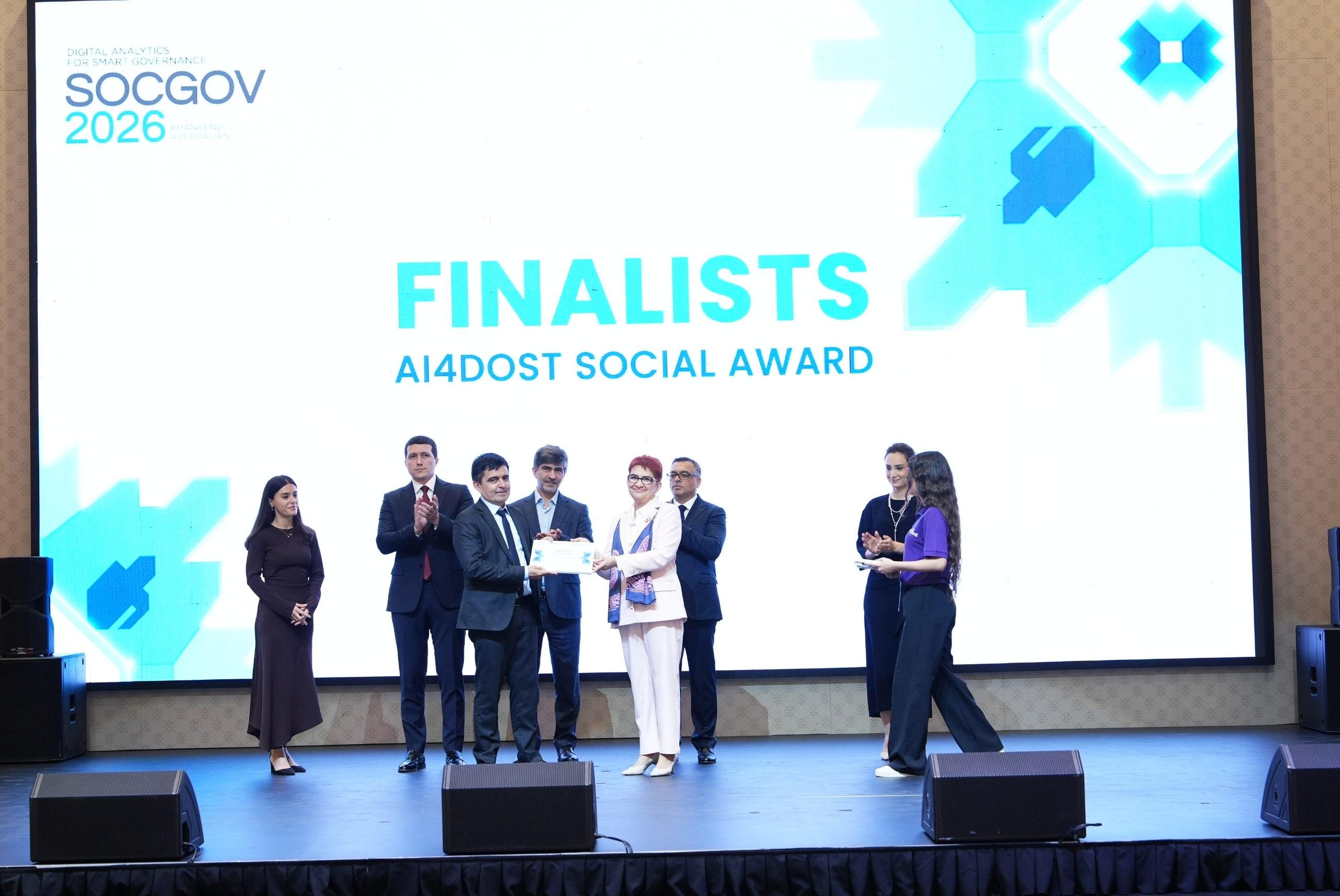
Certificates were presented to the finalists of the competition, which aims to identify, widely showcase and promote best practices, innovative solutions and initiatives with a significant social impact.
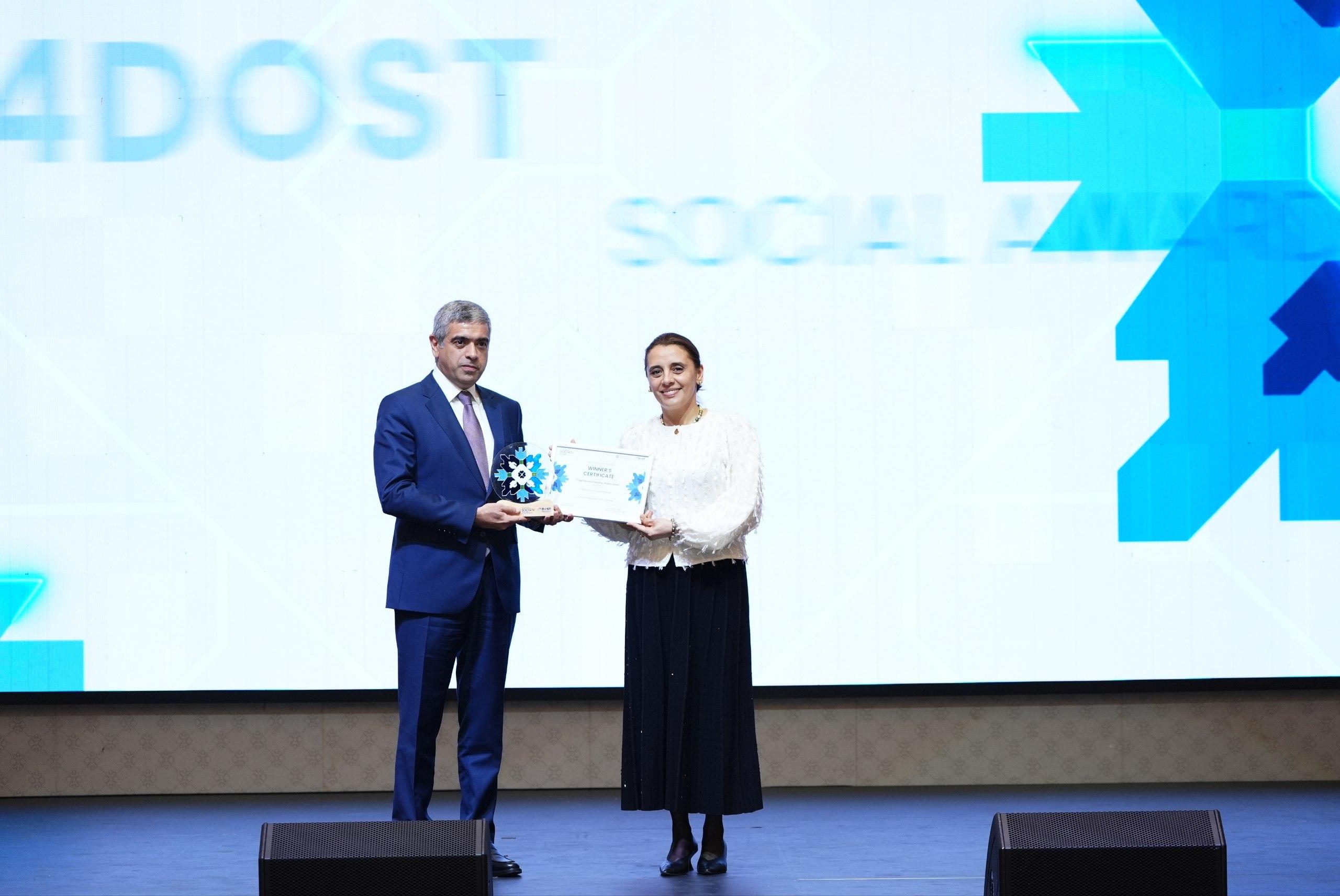
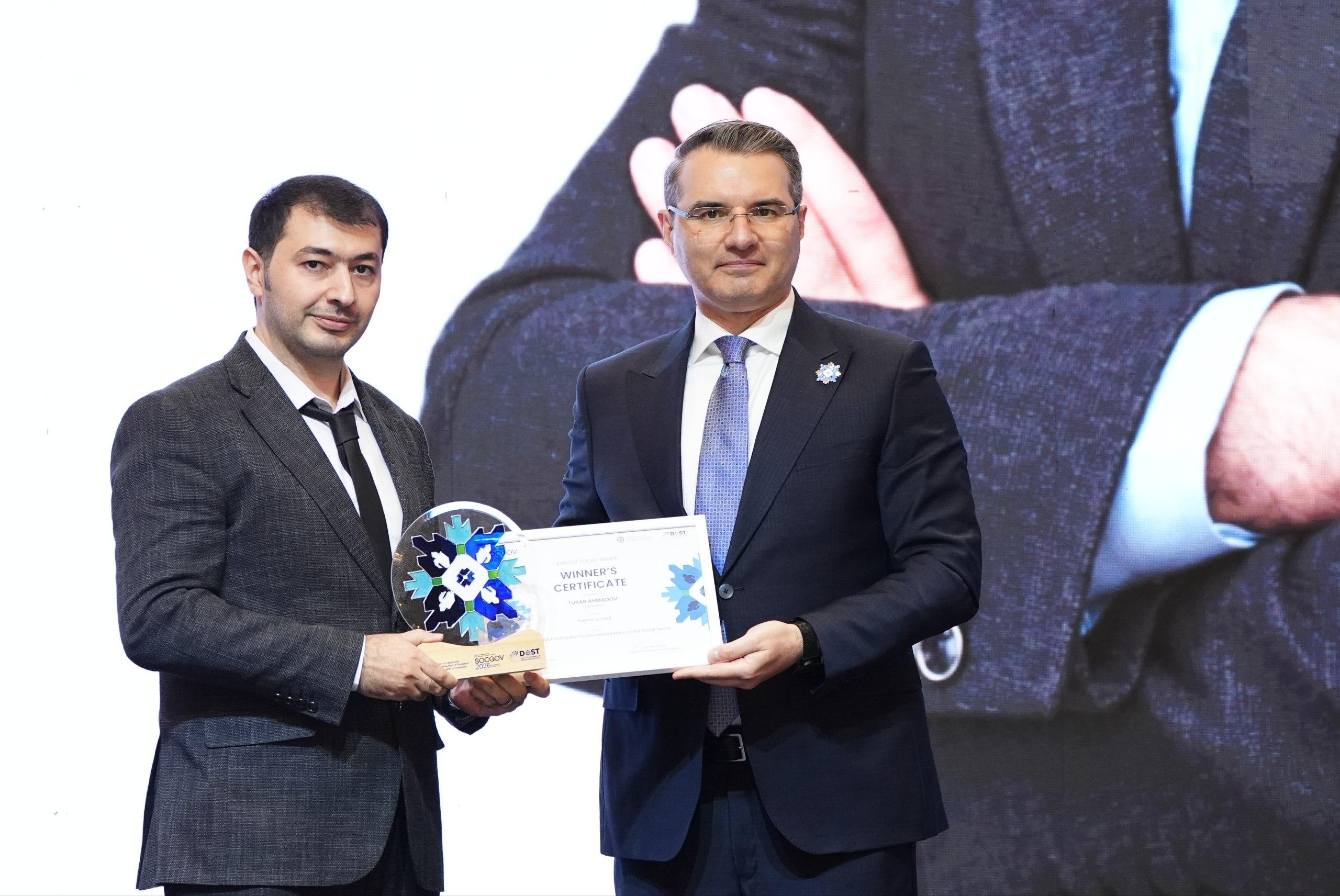
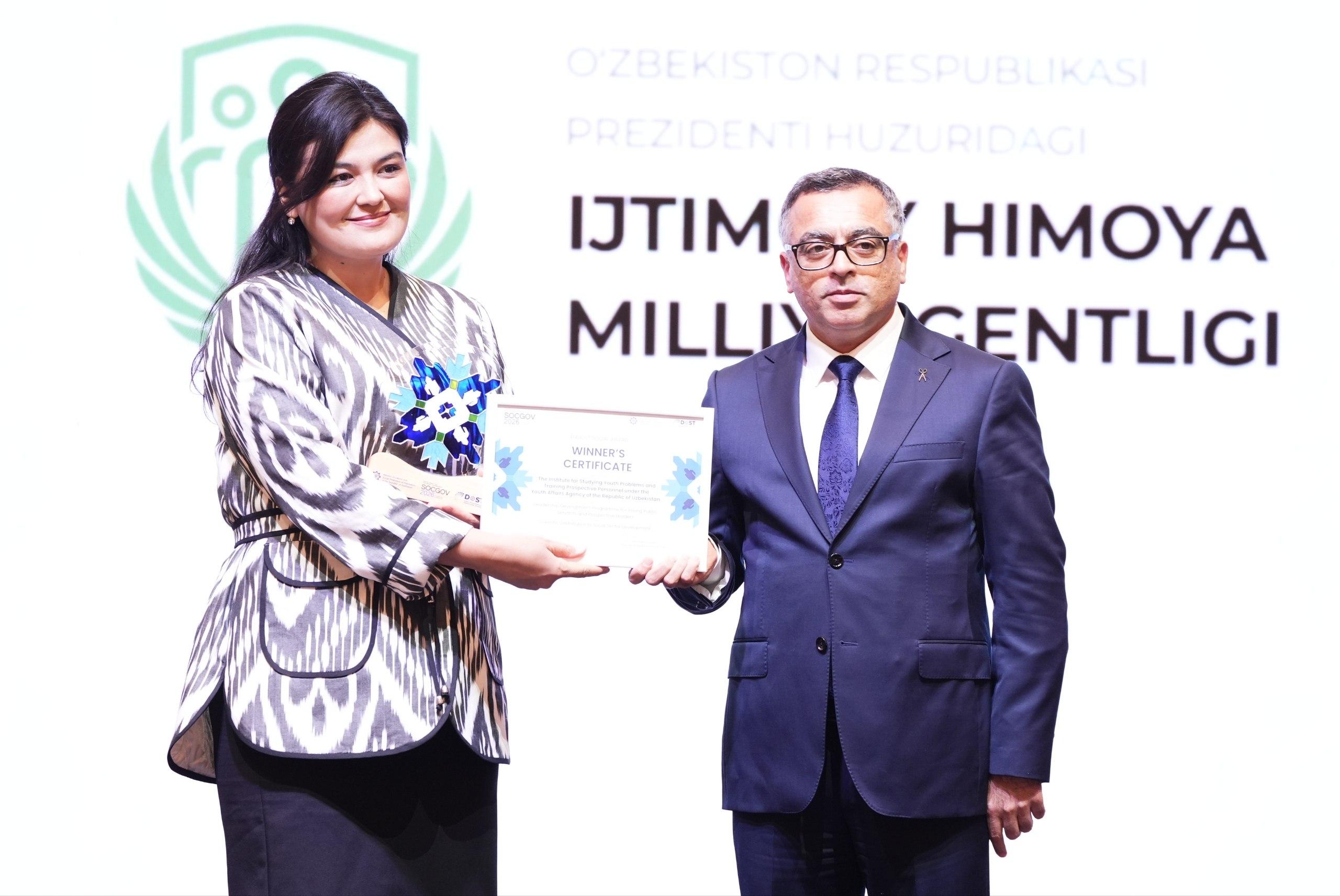
The winners of the competition were then presented with their awards.
The competition was held internationally in four categories (“AI-Driven Digital Solutions in the Social Sector”, “Social Volunteering and Civic Initiatives”, “Scientific Contribution to Social Sector Development” and “Regional Social Initiative”) and nationally in three individual nominations (“Young Social Innovator of the Year”, “Social Transformation Leader/Initiator” and “For a Sustained Contribution to the Development of the Social Sector”).
A total of 84 projects were submitted to the competition, including 32 projects from Ukraine, Greece, Uzbekistan, Russia and other countries under the aforementioned international categories, and 52 projects under the individual national nominations.
The jury evaluated the submissions, and 20 projects advanced to the final. Seven winners were selected, with one winner chosen in each of the four international categories and three individual national nominations:
- The project “Artificial Intelligence for Social Security: Digital Transformation of Greece’s National Insurance History” by Greece’s Electronic National Social Security Fund (e-EFKA), in the “AI-Driven Digital Solutions in the Social Sector” category;
- The project “Professional Social Work at ‘Inson’ Centres and at the Local Community Level” by the National Agency for Social Protection under the President of Uzbekistan, in the “Regional Social Initiative” category;
- The “Supported Employment Model” project by Azerbaijan’s “Birgə və Sağlam” Public Union, in the “Social Volunteering and Civic Initiatives” category;
- The “Leadership Development Programme for Young Civil Servants and Future Leaders” project by Uzbekistan’s Institute for the Study of Youth Problems and Training of Prospective Personnel, in the “Scientific Contribution to Social Sector Development” category;
- The eponymous project by Azerbaijan’s “MinVolt” company (Ayaz Alasgarov), in the individual nomination “Young Social Innovator of the Year”;
- “FakeDetectors – An AI-Powered Deepfake Detection Platform to Protect the Public from Disinformation”, developed with the support of ADA University and the “MegaSec” Artificial Intelligence Laboratory (Abbas Aliyev), in the individual nomination “Social Transformation Leader/Initiator”;
- The “Parent School” project by Turab Ahmadov, Director of Simurq Lyceum, in the individual nomination “For a Sustained Contribution to the Development of the Social Sector”.
A Certificate of Appreciation was presented to the DOST Centre for Inclusive Development and Creativity on the occasion of the fifth anniversary of its opening.
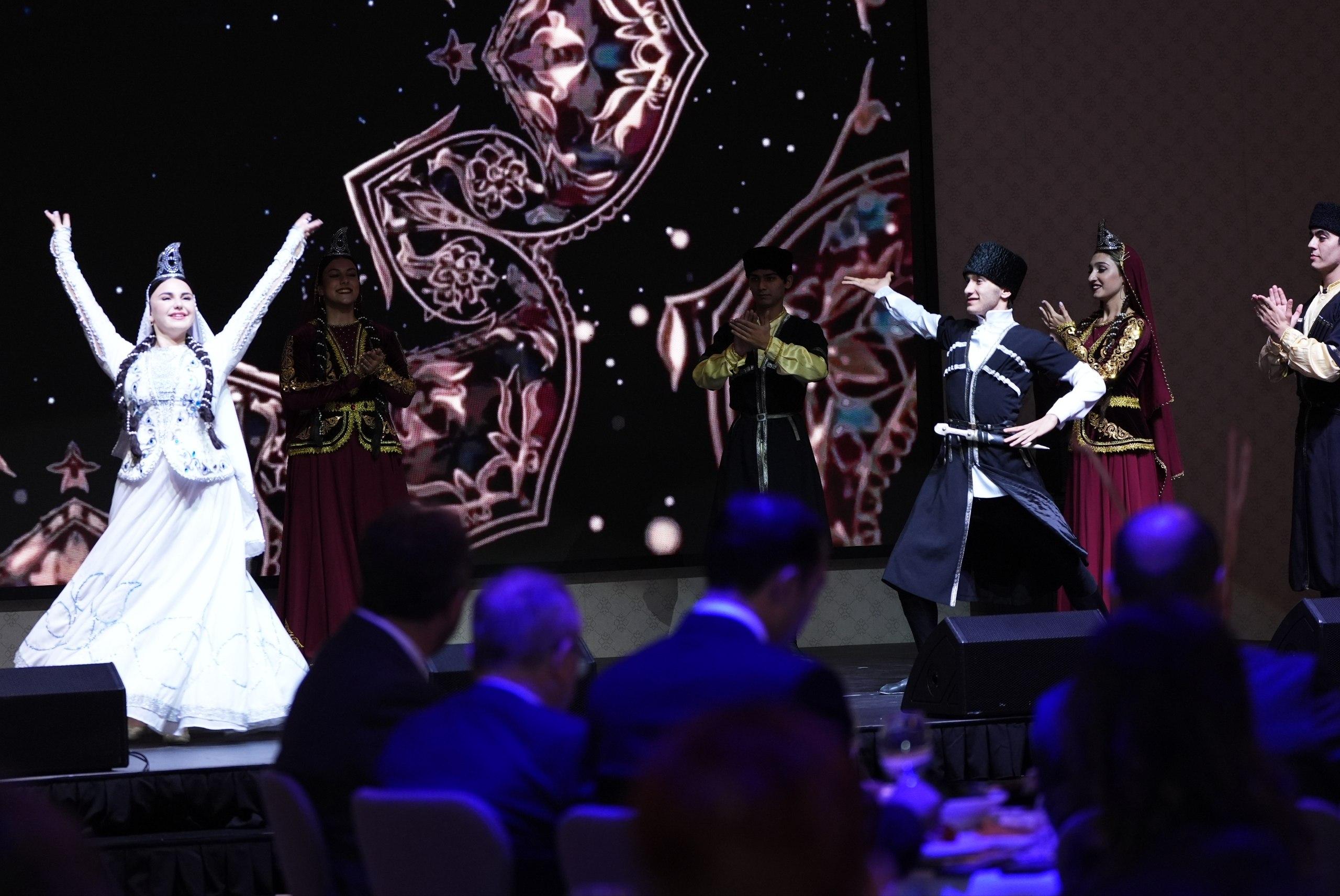
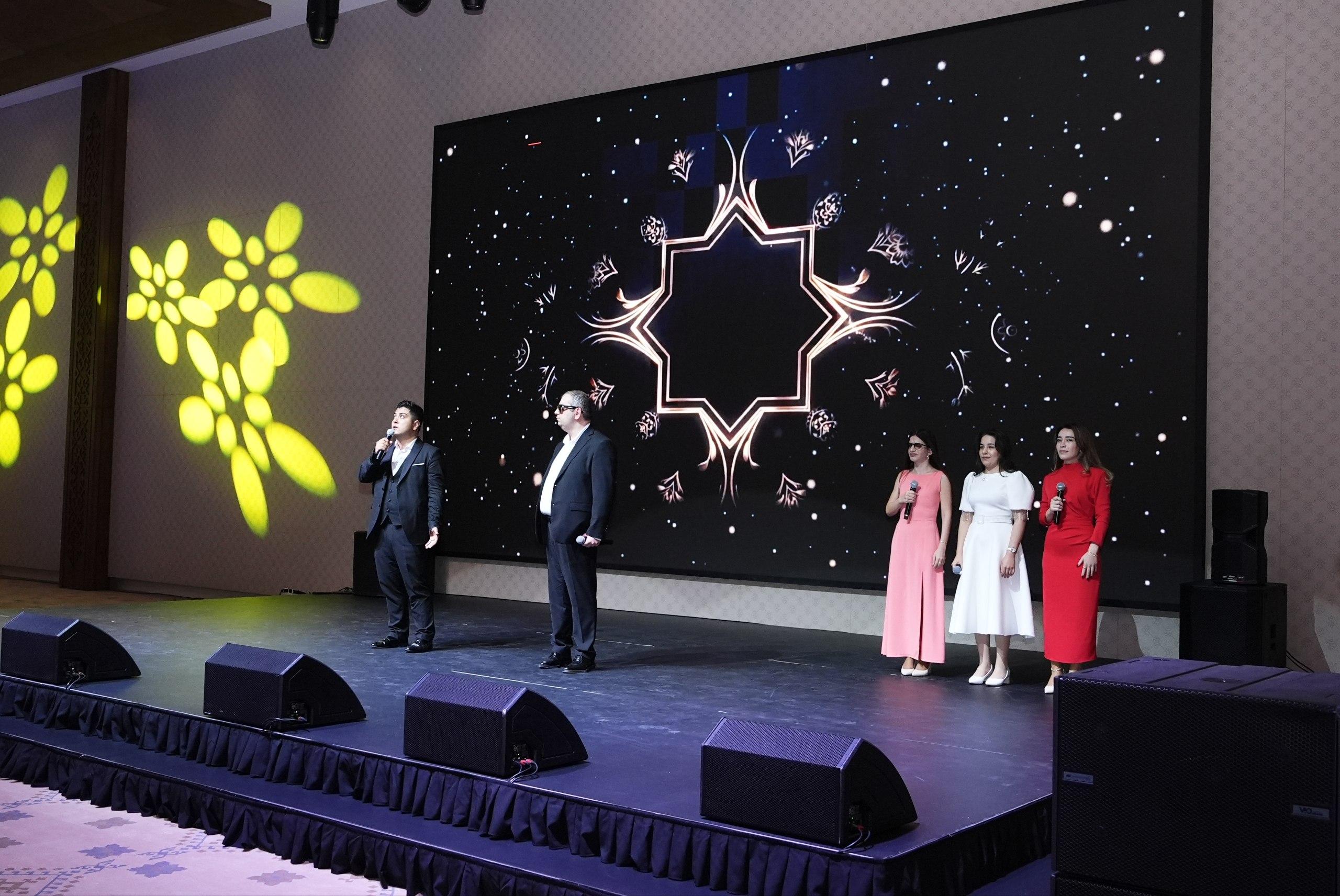
The award ceremony concluded with performances by the Centre’s trainers and beneficiaries.